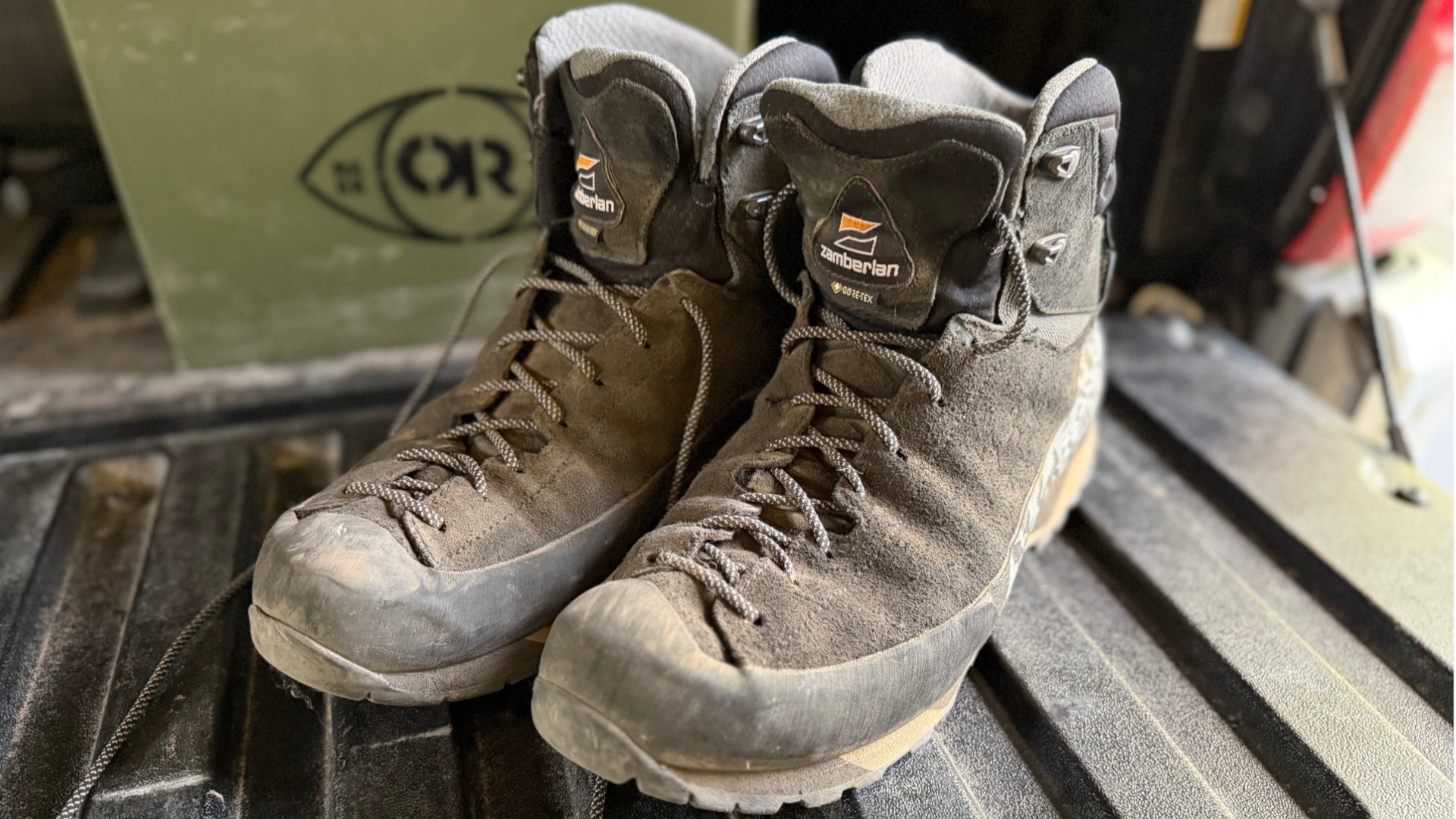
The Shift from Hiking Boots to Trail Runners: A Cultural Reflection

Edited by Cal Ridgeway
Gear & Car Camping · Updated November 2, 2026
As hiking trends evolve, trail runners are becoming increasingly popular, leading to a decline in the use of traditional hiking boots. This shift raises concerns about the cultural and practical implications for hikers. Associate Editor Will Brendza reflects on the enduring value of boots in the hiking community.
Share this story
Why it matters
- ✓Campers should consider their footwear choices carefully, weighing the benefits of trail runners against the traditional support and protection offered by hiking boots.
- ✓It's important to assess personal hiking styles and terrain when selecting footwear, as different shoes serve different purposes.
- ✓Hikers may want to explore a mix of footwear options to adapt to changing trail conditions and personal comfort.
The Shift from Hiking Boots to Trail Runners: A Cultural Reflection
Hiking has long been a cherished outdoor activity, with footwear playing a crucial role in the experience. Recently, there has been a noticeable trend towards the increasing popularity of trail runners, which has sparked discussions about the future of traditional hiking boots. Associate Editor Will Brendza's article on Backpacker highlights this shift and reflects on what it means for the hiking community.
The Rise of Trail Runners
Trail runners are lightweight, flexible shoes designed for running on trails, and their popularity has surged in recent years. Many hikers are opting for these shoes due to their comfort and versatility, especially on well-maintained paths. The appeal of trail runners lies in their ability to provide a more natural feel while navigating diverse terrains, making them an attractive choice for those who prioritize speed and agility.
The Enduring Value of Hiking Boots
Despite the trend towards trail runners, Brendza emphasizes that hiking boots still hold a special place in the hearts of many outdoor enthusiasts. Boots offer superior ankle support and protection against rough terrain, which can be crucial for long hikes or challenging conditions. For those who venture into rugged landscapes or carry heavy packs, the stability and durability of boots can make a significant difference in comfort and safety.
Cultural Implications of the Shift
The transition from boots to trail runners raises questions about the cultural identity of hiking. Boots have long been associated with the traditional hiking experience, symbolizing a connection to the outdoors and a commitment to the sport. As more hikers adopt trail runners, there is a concern that the essence of hiking may be diluted, losing some of its historical significance and communal aspects.
What Campers Should Consider
As this footwear debate continues, campers and hikers should evaluate their personal needs and preferences when selecting footwear. Here are some considerations:
- Assess Your Hiking Style: Consider the types of trails you frequent. If you often hike on well-maintained paths, trail runners may suffice. However, if you tackle rugged terrain or carry heavy loads, boots may be the better option.
- Mix and Match: Some hikers find that having both trail runners and boots allows them to adapt to varying conditions. This flexibility can enhance overall hiking experiences.
- Comfort and Fit: Regardless of the type of footwear, ensure that your shoes fit well and provide adequate support. Comfort should always be a priority to prevent injuries during hikes.
Conclusion
The shift from hiking boots to trail runners reflects broader changes in the hiking community and outdoor culture. While trail runners offer advantages in terms of comfort and agility, traditional hiking boots remain invaluable for many hikers. Ultimately, the choice of footwear should align with individual hiking styles, preferences, and the specific demands of the trails ahead. As the landscape of hiking continues to evolve, it's essential for campers to stay informed and choose gear that best suits their adventures.
Sources
- Hiking is Losing a Piece of Its Soul as Boots Become a Thing of The Past — Backpacker Gear
Newsletter
your weekly camping signal. No spam.
Comments
Log in with
Loading comments…
More in Gear
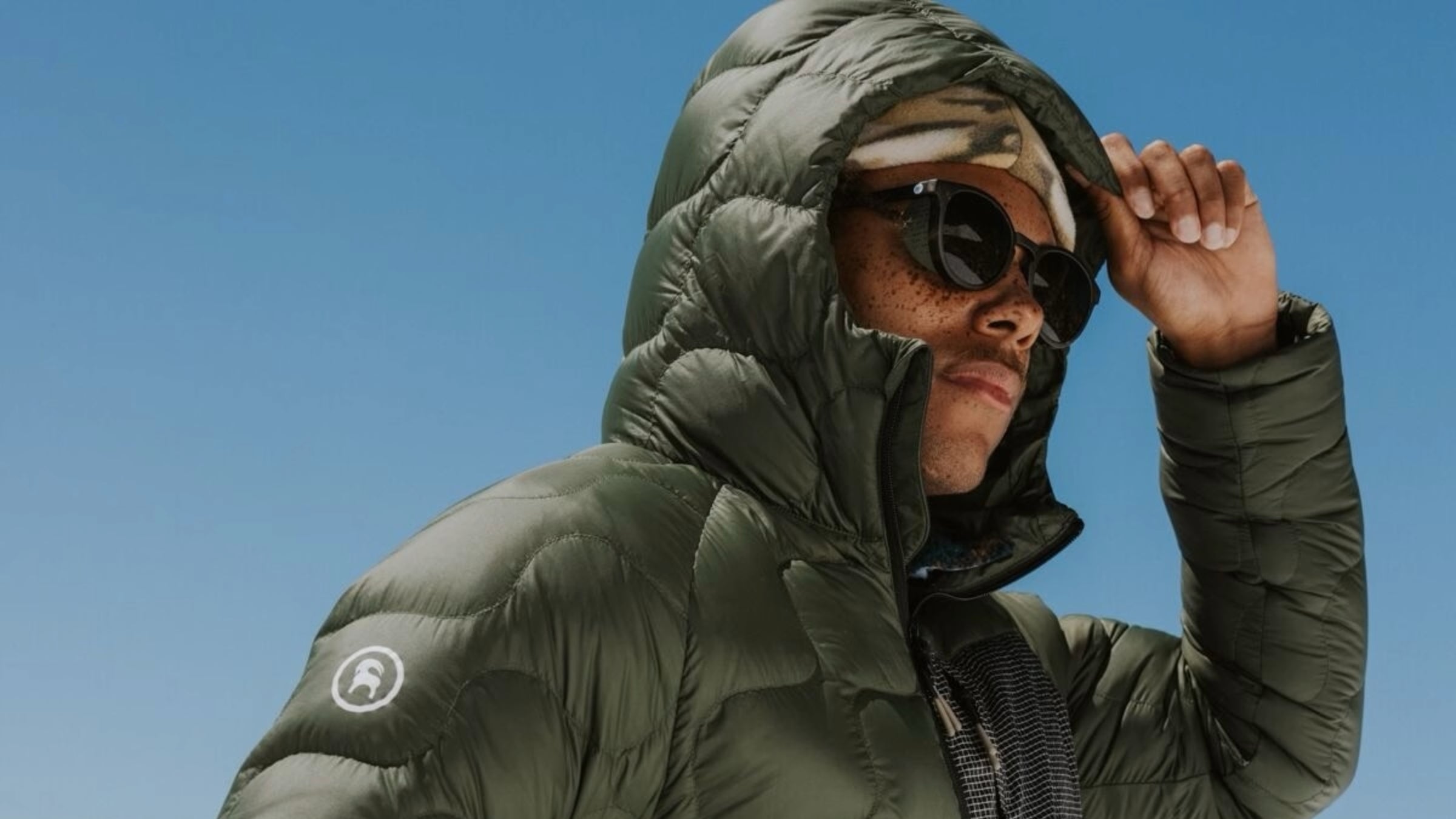
BGA Waas ALLIED Down Hooded Jacket: A Versatile Insulated Layer for Outdoor Adventures
The BGA Waas ALLIED Down Hooded Jacket is designed to provide warmth and comfort for various…
Just now

The 14 Best Snowboard Bindings of 2027
According to Outside Gear, the 14 best snowboard bindings of 2027 have been identified as…
Just now
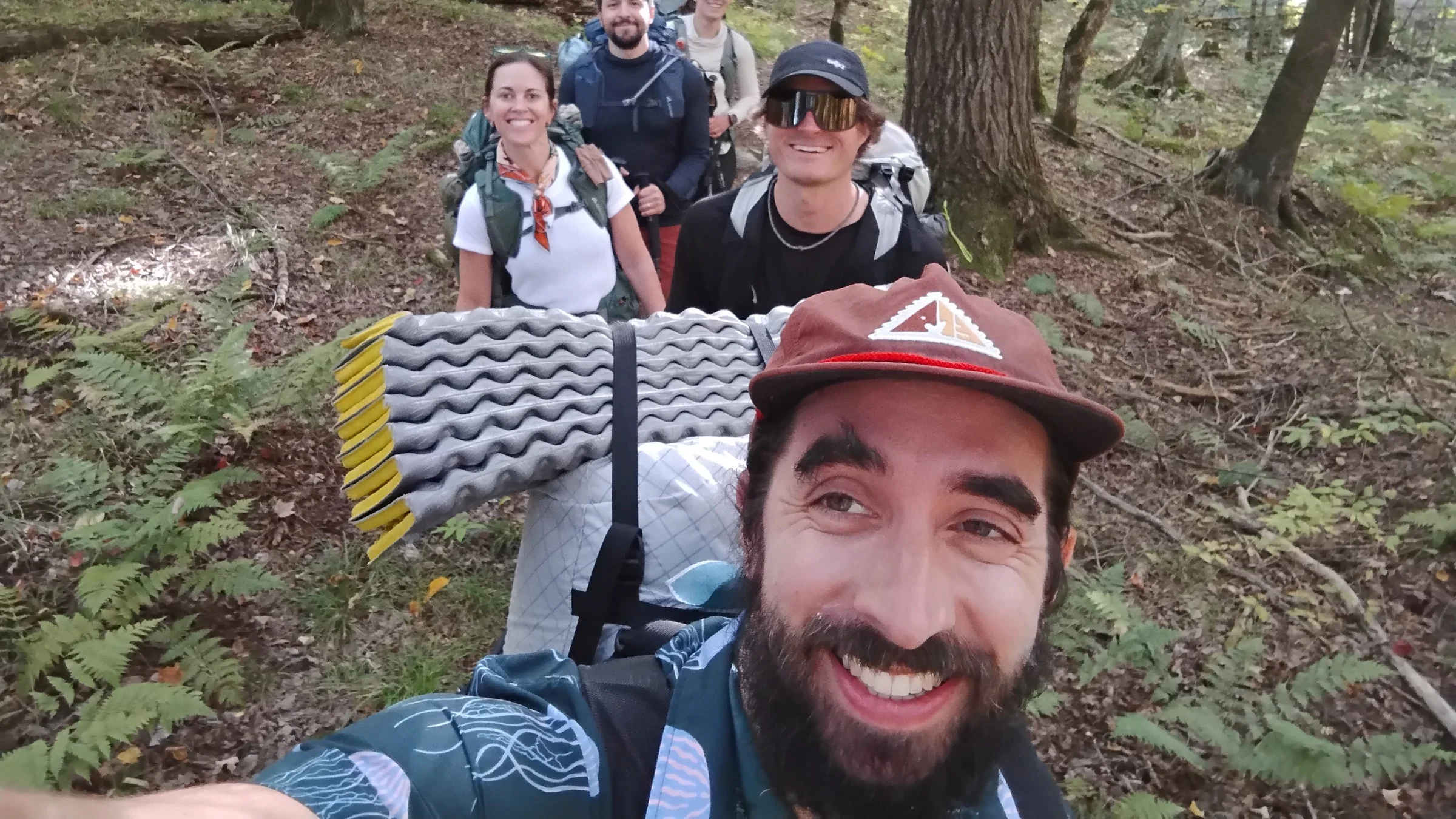
Backpacker Editors Highlight Top Gear Picks for October 2026
In October 2026, Backpacker editors showcased their favorite gear, including advanced insulation…
1h ago

Exploring the Life Camera S168 for Hiking Enthusiasts
The Life Camera S168 is a lightweight, budget-friendly camera weighing only 21 grams, designed for…
1h ago