Old Explosives Found at Glen Canyon and Antietam National Parks
Recent discoveries of forgotten explosives at two national park sites have raised safety concerns. At Glen Canyon Dam, construction-era detonation cord was found, while cannon ammunition was discovered embedded in a monument at Antietam battlefield. These findings highlight the need for caution when exploring historical sites.
 Wren TalusSafety & Backcountry
2 min read1 source
Key takeaways
30-second read- 1Campers visiting Glen Canyon or Antietam should stay informed about potential hazards and avoid areas marked as unsafe.
- 2Check with the National Park Service for updates on safety measures and any restricted areas.
- 3Be aware of the historical context of the parks, as remnants from past conflicts or construction may pose risks.
Confirmed
No official source linked yet
Reported
Secondary reporting: Outside Environment
Verify yourself
Eligibility, local prices and dates for your car, state or utility
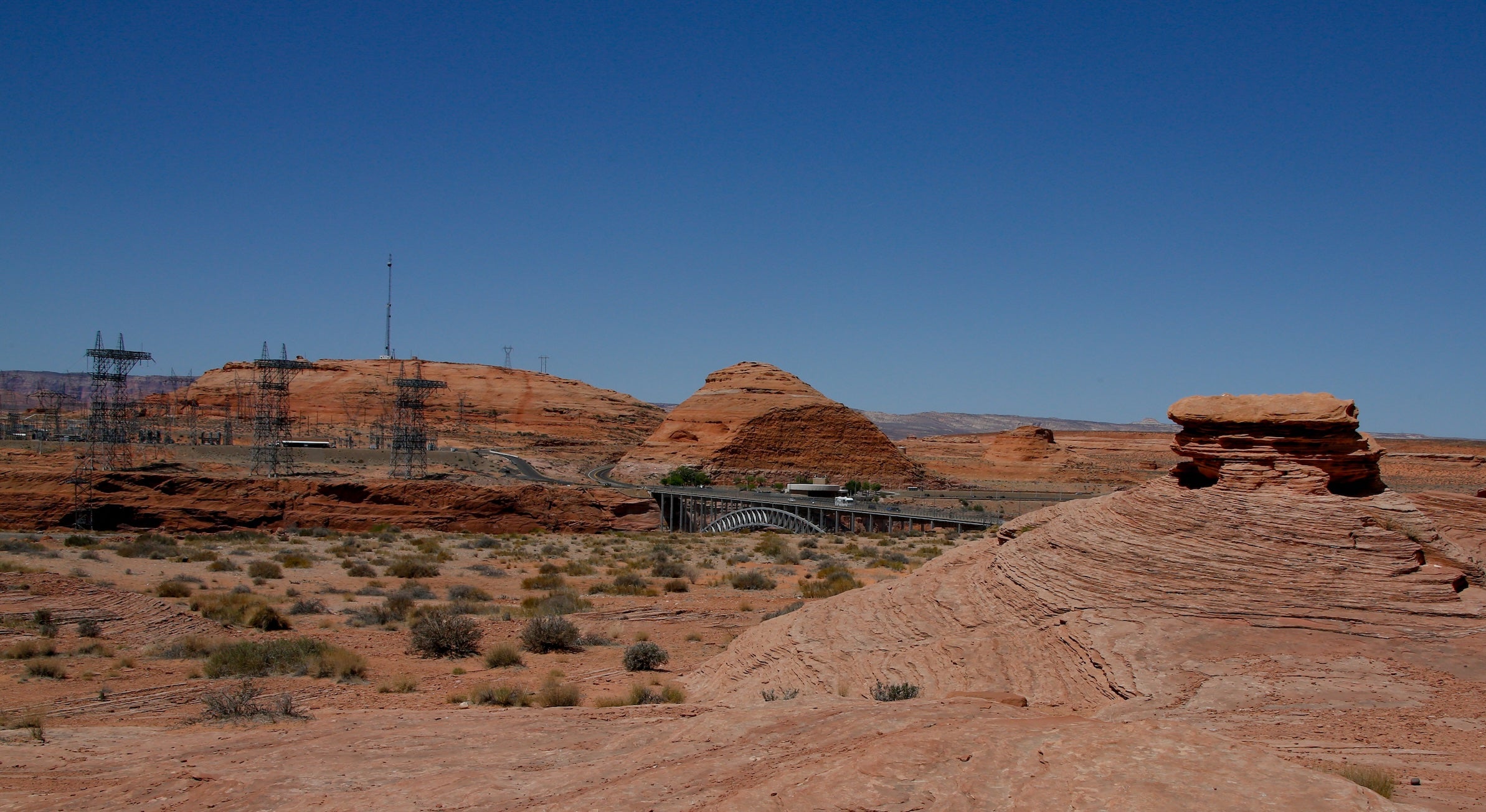
Recent findings of forgotten explosives at Glen Canyon and Antietam National Parks have raised awareness about safety concerns in these historical areas. At Glen Canyon Dam, construction-era detonation cord was discovered, while cannon ammunition was found embedded in a monument at the Antietam battlefield. These discoveries serve as a reminder of the remnants of the past that can still pose risks to visitors today.
Understanding the Risks
The presence of old explosives in national parks is not a new phenomenon, but it is a concerning one. The detonation cord found at Glen Canyon is a remnant from construction activities that took place decades ago. Similarly, the cannon ammunition at Antietam is a historical artifact from the Civil War era. While these items may seem like interesting relics, they can be dangerous if disturbed.
Visitors to these parks should exercise caution and remain aware of their surroundings. The National Park Service (NPS) is responsible for managing these sites and ensuring visitor safety. It is crucial for campers and hikers to heed any warnings or restrictions in place regarding these hazardous materials.
What Campers Should Do
If you plan to visit Glen Canyon or Antietam, consider the following precautions:
-
Stay Informed: Before your trip, check the National Park Service website for updates on safety measures and any areas that may be restricted due to the presence of explosives. This information can change, so it’s vital to stay updated.
- For Glen Canyon, visit NPS Glen Canyon.
- For Antietam, visit NPS Antietam.
-
Avoid Restricted Areas: If you encounter any signs or barriers indicating restricted areas, do not attempt to enter. These areas are likely marked for your safety due to potential hazards.
-
Educate Yourself: Understanding the historical context of the parks can enhance your visit. Knowing that these sites have remnants of past conflicts or construction can help you appreciate their significance while remaining cautious.
-
Report Findings: If you come across any suspicious items or remnants that look like explosives, do not touch them. Report your findings to park rangers immediately.
Conclusion
The discoveries of forgotten explosives at Glen Canyon and Antietam National Parks highlight the importance of safety and awareness when visiting historical sites. While these parks offer beautiful landscapes and rich histories, they also carry potential risks that visitors must be mindful of. By staying informed and following safety guidelines, campers can enjoy their outdoor experiences while minimizing hazards.
Sources
1 media- [1]Forgotten Explosives Were Just Discovered at Two National Park SitesMedia
Outside Environment · outsideonline.com · published Nov 3
Newsletter
your weekly camping signal. No spam.
Comments
Log in with
Loading comments…