Forester Pass Elevation Gain Highlights John Muir Trail Day 5
On Day 5 of the John Muir Trail, hikers will face an elevation gain of 2,274 feet while traversing Forester Pass. This challenging section of the trail is known for its stunning views and rugged terrain, making it a significant milestone for backpackers. Campers should prepare adequately for the physical demands of this segment.
 Wren TalusSafety & Backcountry
2 min read1 source
Key takeaways
30-second read- 1Hikers should ensure they are physically prepared for the steep elevation gain.
- 2Check weather conditions before attempting this section, as conditions can change rapidly.
- 3Consider acclimatization strategies to handle the altitude effectively.
Confirmed
No official source linked yet
Reported
Secondary reporting: The Trek
Verify yourself
Eligibility, local prices and dates for your car, state or utility
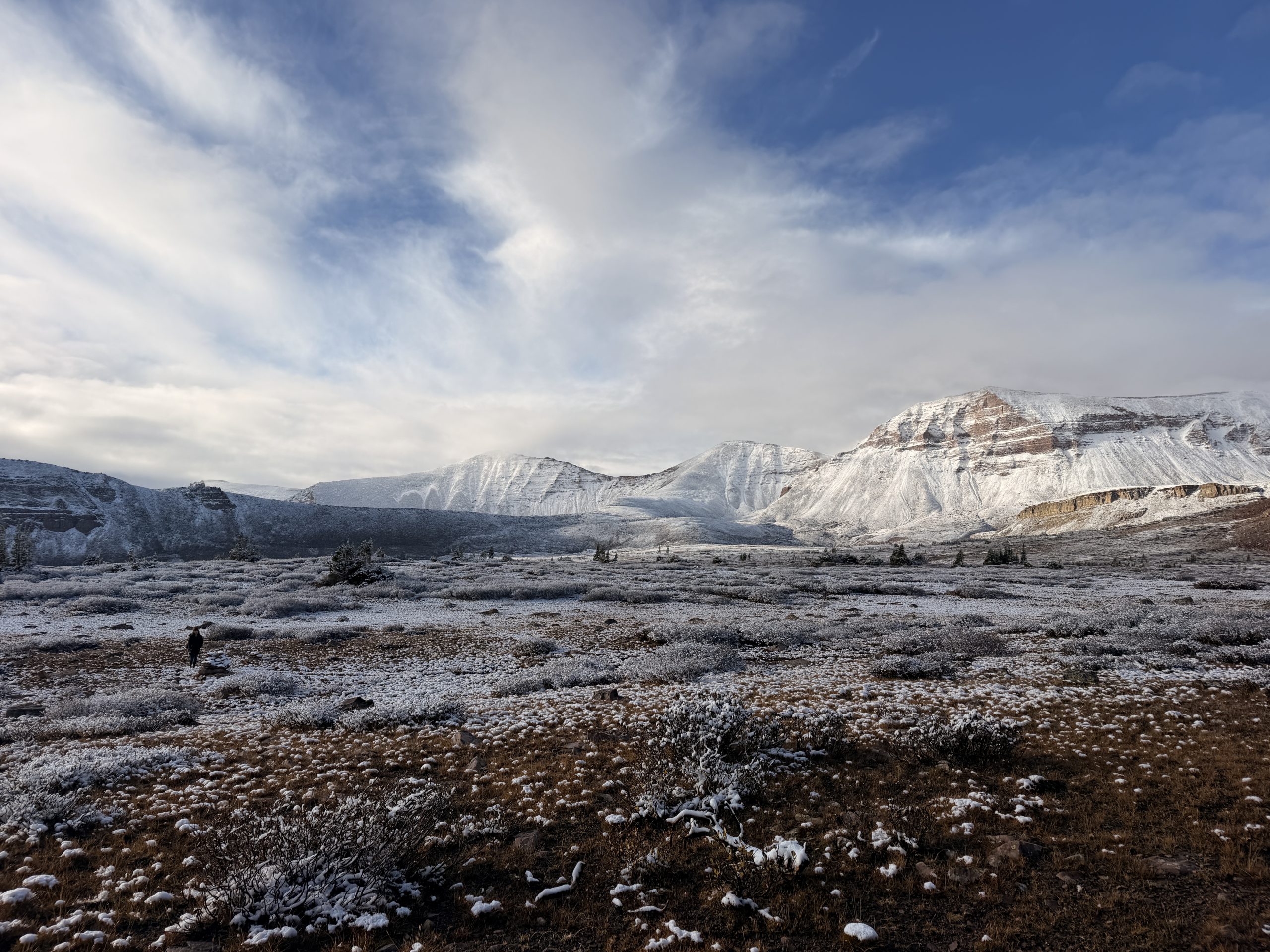
The John Muir Trail (JMT) is a renowned hiking route that showcases the breathtaking beauty of California's Sierra Nevada mountains. On Day 5, hikers will tackle Forester Pass, which is notable for its significant elevation gain of 2,274 feet. This section of the trail is not only a physical challenge but also offers some of the most stunning views along the JMT.
Understanding Forester Pass
Forester Pass is the highest point on the John Muir Trail, reaching an elevation of 13,200 feet. The ascent to this pass is steep and can be strenuous, especially for those who may not be accustomed to high-altitude hiking. As hikers make their way up, they will encounter rocky terrain and potentially variable weather conditions, which can impact visibility and safety.
Preparing for the Ascent
Given the elevation gain, it's crucial for campers and hikers to prepare adequately. Here are some tips to consider:
- Physical Conditioning: Ensure that you are in good physical shape before attempting this section of the trail. Training hikes with elevation gain can help build the necessary stamina.
- Weather Check: Always check the weather forecast prior to your hike. Conditions in the mountains can change quickly, and it's essential to be prepared for rain, snow, or sudden temperature drops.
- Acclimatization: If you're not used to high altitudes, consider spending a few days at a higher elevation before your hike. This can help your body adjust and reduce the risk of altitude sickness.
Trail Conditions and Safety
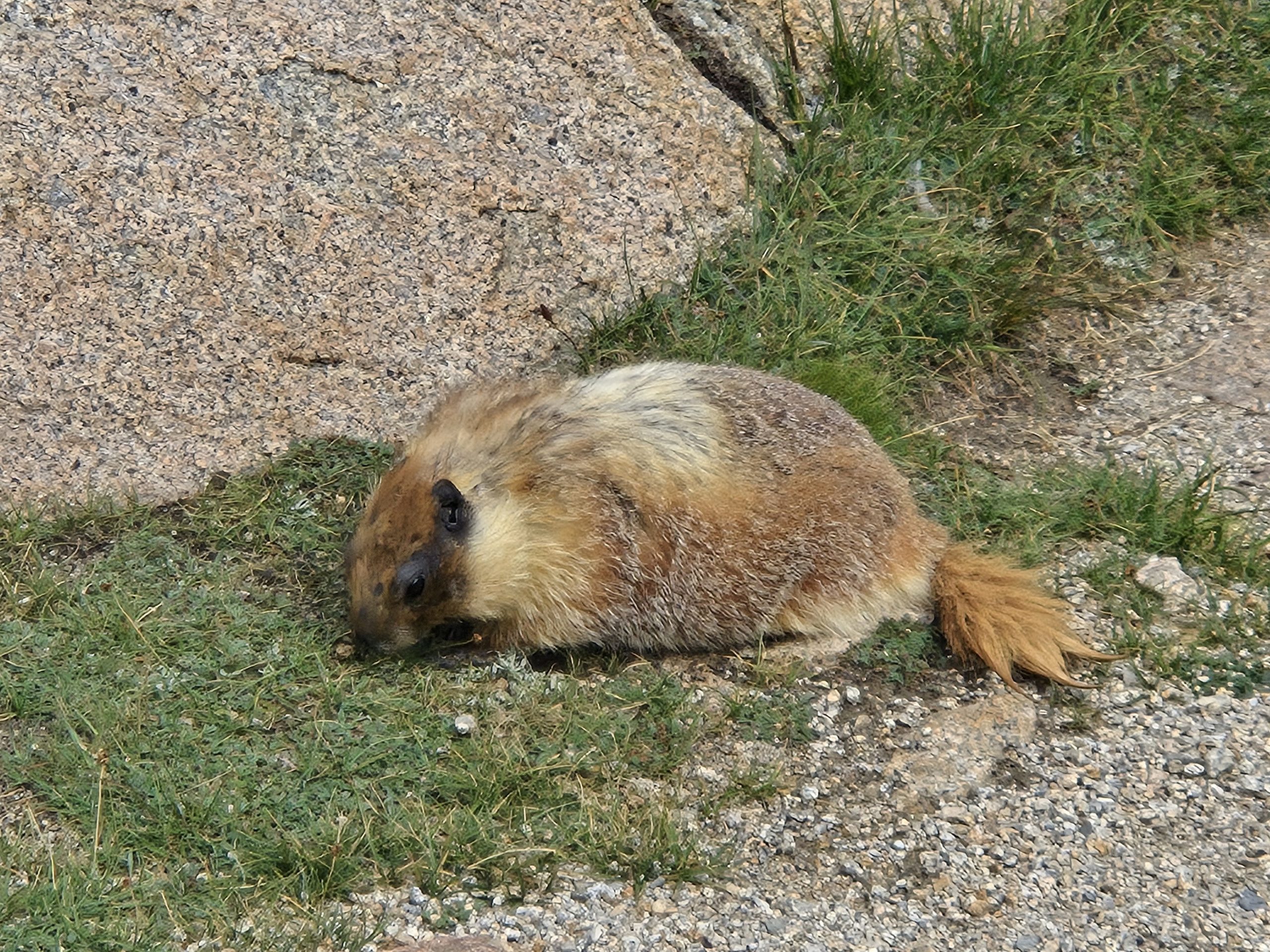
As with any high-altitude hike, safety should be a top priority. Hikers should be aware of their surroundings and prepared for the possibility of encountering wildlife. It's also advisable to carry sufficient water and snacks, as well as a first-aid kit, in case of emergencies. For the latest trail conditions and any potential closures, check with the managing agency responsible for the John Muir Trail.
Conclusion
Forester Pass is a highlight of the John Muir Trail, offering both a physical challenge and stunning natural beauty. By preparing adequately and staying informed about trail conditions, hikers can safely enjoy this remarkable section of the trail. For more information, visit the official National Park Service page for updates on trail conditions and safety tips.
Sources
1 media- [1]Forester Pass, Through the Notch — John Muir Trail Day 5Media
The Trek · thetrek.co · published Nov 3
Newsletter
your weekly camping signal. No spam.
Comments
Log in with
Loading comments…