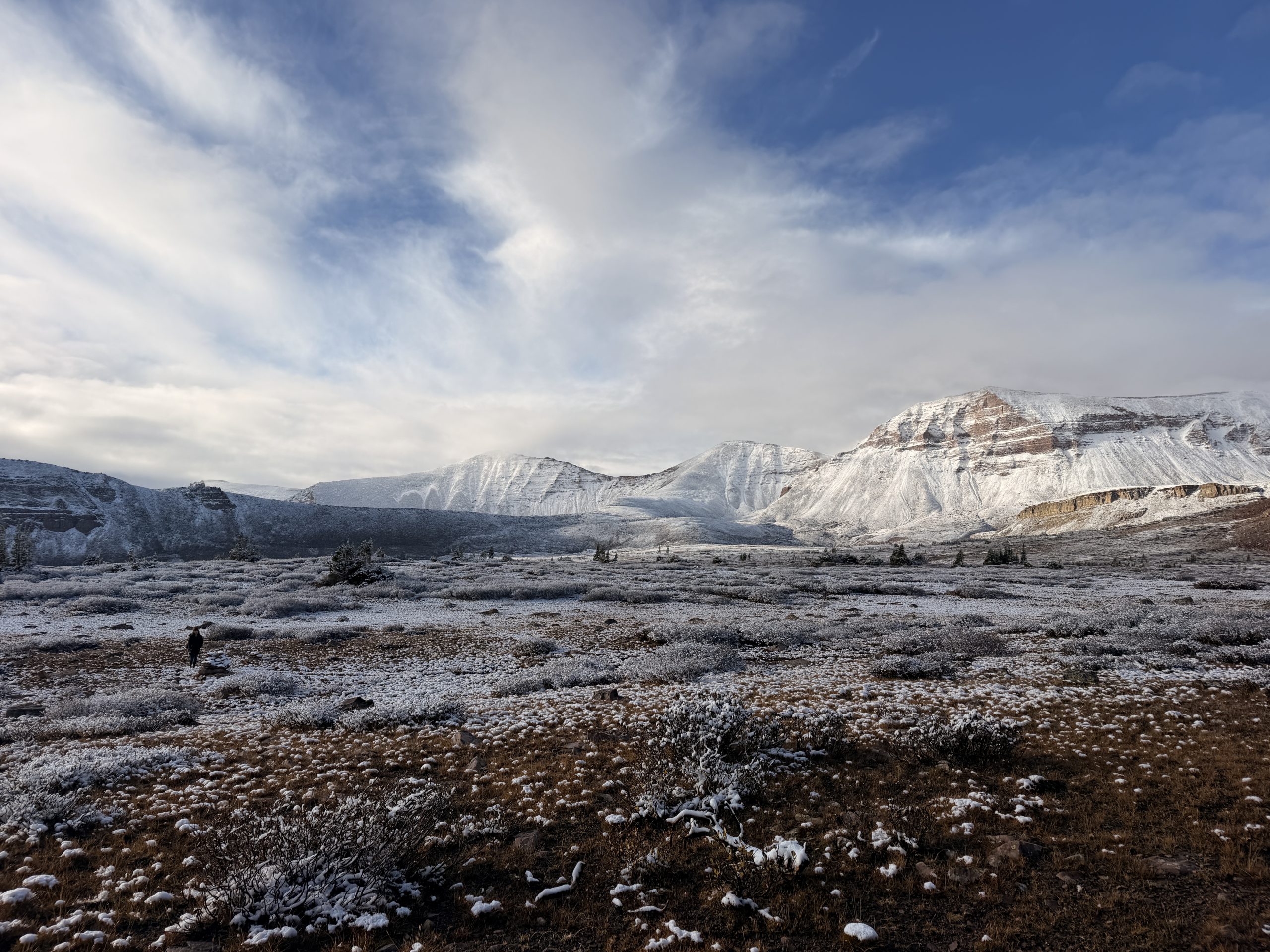
Eastern Continental Trail Week 9: Transition to the Appalachian Trail
In Week 9 of the Eastern Continental Trail (ECT), the journey transitions to the Appalachian Trail. This stage marks a significant milestone for hikers as they navigate the diverse terrains and challenges of the AT. Campers should be aware of the unique conditions and preparations needed for this iconic trail.
 Wren TalusSafety & Backcountry
1 min read1 source
Key takeaways
30-second read- 1Check trail conditions and access points for the Appalachian Trail, as they may vary from those on the ECT.
- 2Plan for the specific gear and supplies needed for the Appalachian Trail's terrain and weather.
- 3Stay informed about any regulations or permits required for camping along the Appalachian Trail.
Confirmed
No official source linked yet
Reported
Secondary reporting: The Trek
Verify yourself
Eligibility, local prices and dates for your car, state or utility

Week 9 of the Eastern Continental Trail (ECT) marks an important transition for hikers as they begin their journey on the Appalachian Trail (AT). This segment of the hike brings with it new challenges, breathtaking landscapes, and the opportunity to experience one of America's most famous hiking routes.
Transitioning to the Appalachian Trail
The Appalachian Trail spans approximately 2,200 miles from Georgia to Maine, offering a variety of terrains, climates, and ecosystems. As hikers move from the ECT to the AT, they should prepare for a shift in trail conditions. The AT is known for its rugged paths, steep ascents, and potential for rapidly changing weather. Therefore, it is crucial for campers to check current trail conditions and access points, as these can differ significantly from those encountered on the ECT.
Gear and Supplies
Given the unique challenges of the Appalachian Trail, hikers should consider their gear and supplies carefully. The AT may require different equipment compared to the ECT, especially in terms of clothing, footwear, and camping gear. Campers should ensure they have appropriate gear for varying weather conditions, including rain gear, warm layers, and sturdy footwear designed for rugged terrain.
Regulations and Permits
Another important aspect to consider is the regulations and permits required for camping along the Appalachian Trail. Some sections of the trail may have specific rules regarding camping locations, fire usage, and waste disposal. Hikers should familiarize themselves with these regulations to ensure a safe and responsible hiking experience. For the most current information, check the official Appalachian Trail Conservancy website or the managing agency for the specific areas you plan to hike.
Final Thoughts
As you embark on this new stage of your journey on the Appalachian Trail, preparation is key. From checking trail conditions to ensuring you have the right gear and understanding the regulations, taking these steps will help you have a successful and enjoyable hiking experience. Remember to stay informed and plan ahead to make the most of your time on this iconic trail.
Sources
1 media- [1]The Appalachian Trail: ECT Week 9Media
The Trek · thetrek.co · published Nov 3
Newsletter
your weekly camping signal. No spam.
Comments
Log in with
Loading comments…