Camping Restrictions on the Ice Age Trail
The Ice Age Trail offers limited camping options, particularly in its western segments where finding suitable campsites can be challenging. Campers should be aware that they cannot simply set up camp wherever they please, as specific regulations apply. This information is crucial for those planning to hike and camp along this scenic trail.
 Wren TalusSafety & Backcountry
1 min read1 source
Key takeaways
30-second read- 1Check the specific camping regulations for the Ice Age Trail to avoid potential fines or issues.
- 2Plan your itinerary to include designated camping areas or nearby hotels, as spontaneous camping may not be permitted.
- 3Consider making reservations in advance if staying at hotels or campgrounds along the trail.
Confirmed
No official source linked yet
Reported
Secondary reporting: The Trek
Verify yourself
Eligibility, local prices and dates for your car, state or utility
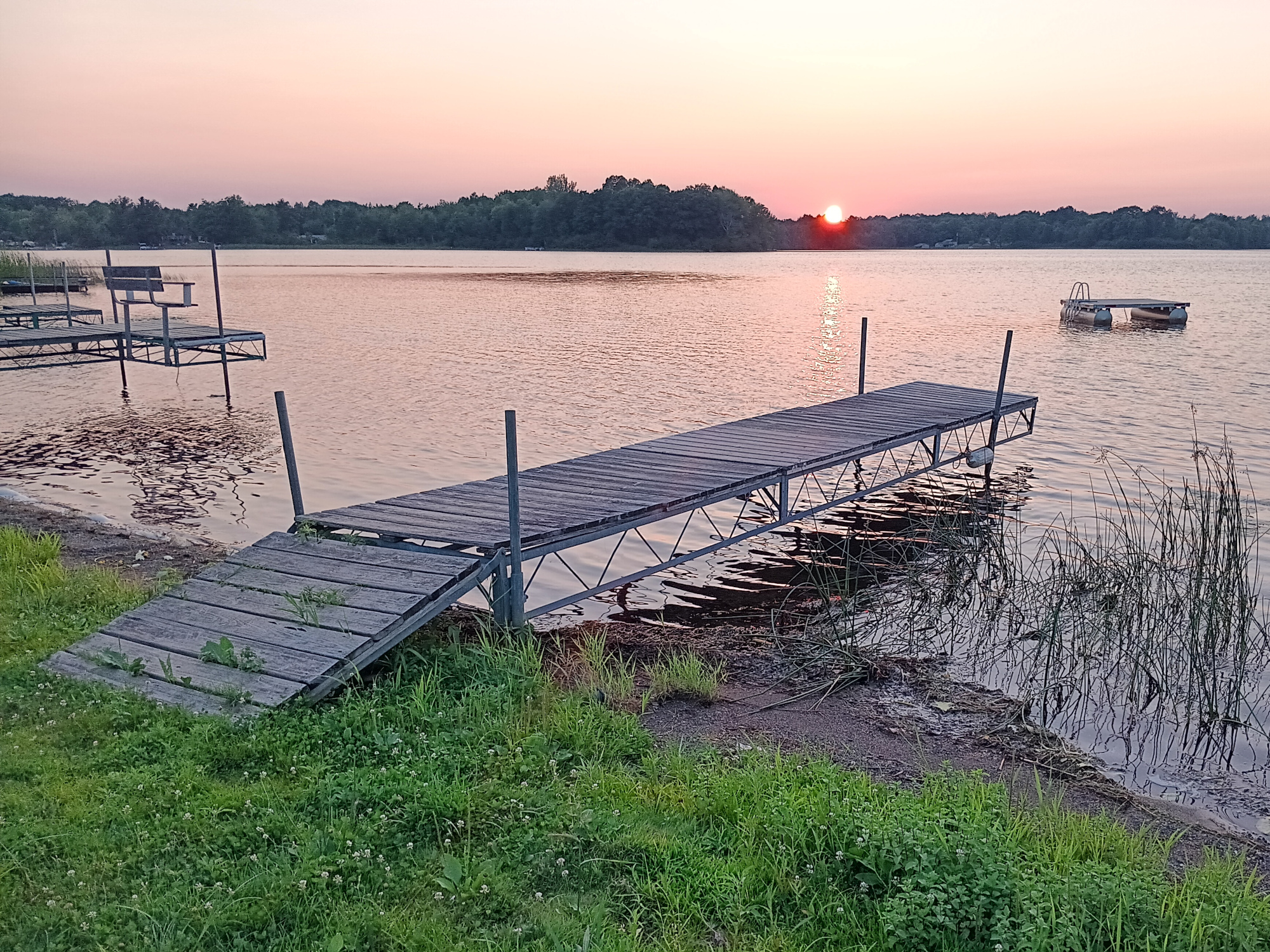
Camping along the Ice Age Trail (IAT) presents unique challenges for outdoor enthusiasts. While the trail offers stunning views and a chance to connect with nature, the camping options are more restrictive than many might expect. This is particularly true in the western regions of the trail, where regulations limit where you can set up camp.
Understanding the Camping Regulations
Unlike some trails where hikers can simply find a flat spot to pitch their tent, the Ice Age Trail has specific guidelines that dictate where camping is allowed. This means that as a camper, you need to be aware of designated camping areas and plan your stops accordingly. The restrictions are in place to protect the natural environment and ensure that the trail remains accessible and enjoyable for all.
Planning Your Trip
If you're considering a hike along the IAT, it's essential to plan your itinerary carefully. Make sure to research the segments of the trail you intend to hike and identify the nearest camping options. In some areas, you may find hotels or established campgrounds that can provide a comfortable place to rest after a long day of hiking. According to the source, there are 11 hotels available along the trail, which can serve as convenient alternatives to camping.
What Campers Should Do Next
Before heading out, check the official Ice Age Trail website or contact the managing agency for the most current information on camping regulations and available facilities. This will help you avoid any surprises and ensure a smoother experience on your adventure. Additionally, consider making reservations for hotels or campgrounds in advance, especially during peak hiking seasons, to secure your accommodations.
In summary, while the Ice Age Trail offers breathtaking scenery and a chance to immerse yourself in nature, it also requires careful planning and adherence to camping regulations. By understanding these restrictions and preparing accordingly, you can enjoy a safe and fulfilling hiking experience.
Sources
1 media- [1]Grumpylocks and the Three BearsMedia
The Trek · thetrek.co · published Nov 3
Newsletter
your weekly camping signal. No spam.
Comments
Log in with
Loading comments…